

Description
INDICATION
BASAGLAR® (bāz-a-glar) is a long-acting insulin used to control high blood sugar in:
- adults with type 1 or type 2 diabetes
- children with type 1 diabetes
LIMITATIONS OF USE
It is not known if BASAGLAR is safe and effective in children with type 2 diabetes or in children younger than 6 years with type 1 diabetes. There were no studies done with BASAGLAR in these groups of children. If your doctor decides to give your child BASAGLAR, he or she may give you special instructions.
BASAGLAR is not used to treat diabetic ketoacidosis.
SELECT SAFETY INFORMATION
Warnings
Do not take BASAGLAR if you have:
- symptoms of low blood sugar (hypoglycemia) or
- an allergy to BASAGLAR or any of its ingredients.
What is insulin?
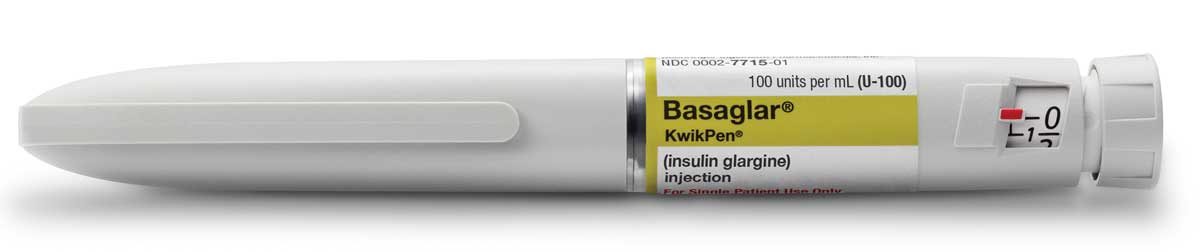
Insulin is a hormone your body makes that helps the body use or store the sugar it gets from food. If you have type 1 diabetes, your body no longer makes insulin, or it makes a small amount. But if you have type 2 diabetes, your body may still make its own insulin—it just doesn’t use it as well or it may not make enough.
When your body needs insulin, there are ways to help replace or supplement it. One of them is long-acting basal insulin.1
How can insulin help?
When first diagnosed, many people with type 2 diabetes can keep their blood glucose at a healthy level with a combination of meal planning, physical activity, and taking oral medications. But over time, the body gradually produces less and less of its own insulin, and eventually, oral medications may not be enough to keep blood glucose levels in a healthy range.1
Your doctor prescribed BASAGLAR because it’s a long-acting insulin that helps control high blood sugar. By visiting this website, you’ve taken an important step in beginning insulin.
SELECT SAFETY INFORMATION
Warnings
Do not reuse needles or share your BASAGLAR prefilled pen with other people. You or the other person can get a serious infection. This can happen even if you change the needle.
Do not change the insulin you use or your dose, unless your doctor tells you to. This could cause low or high blood sugar, which could be serious. Do not inject your insulin into the exact same spot or where the skin has pit or lumps. Avoid injecting into thickened, tender, bruised, scaly, hard, or damaged skin.




Reviews
There are no reviews yet.